
A strong product cannot always guarantee early traction. Many startups discover this only after months of customer conversations that do not convert. The gap is not effort. It is how the go to market strategy for startups is built and tested in the first place.
In 2025, Bain and Company’s India Venture Capital Report observed that early-stage startups showing disciplined go to market validation before scaling saw stronger follow-on funding outcomes compared to companies that expanded outreach without defined customer segmentation. The difference was not funding access, but company’s preparation before launch.
Operator led communities compress that preparation cycle.
Why early GTM mistakes cost startups 6 to 12 months
Early GTM decisions create long tail consequences. When founders define their ideal customer profile too broadly, sales cycles stretch. When pricing is anchored to competitors instead of value delivered, feedback becomes distorted. When messaging tries to appeal to everyone, it resonates with no one. These incremental mis-judgments compound over time.
McKinsey’s 2026 Global B2B Pulse found that startups that refined their ICP and pricing within the first quarter of launch achieved revenue stability up to 40% faster than peers that expanded targeting without validation. Speed came from clarity of customer definition, not volume of outreach.
GTM delays are often misdiagnosed as product issues. In many cases, the product works. The problem lies in positioning, qualification, and conversion design.
Startup GTM support at this stage must be practical. Founders need informed review of live calls, pricing discussions, and conversion patterns, not broad strategic commentary.

Operator vs Advisor What’s the Real Difference
Advisors provide perspective based on pattern observation. Operators provide insight based on pattern participation.
An advisor may suggest narrowing the target segment. An operator will ask which specific objection surfaced in the last ten sales calls and how pricing was introduced. That distinction matters when you’re refining early-stage sales strategy.
Operators have hired first sales representatives, they have reworked commission plans, they have recalibrated onboarding flows when churn surfaced, their guidance comes from decisions they have personally taken under pressure.
Within an operator led community, discussions revolve around real numbers and live experiments. Founders compare weekly conversion rates. They examine how messaging adjustments impacted demo bookings. The learning is grounded in data shared across peers who are building simultaneously.
Validating pricing positioning and messaging before launch
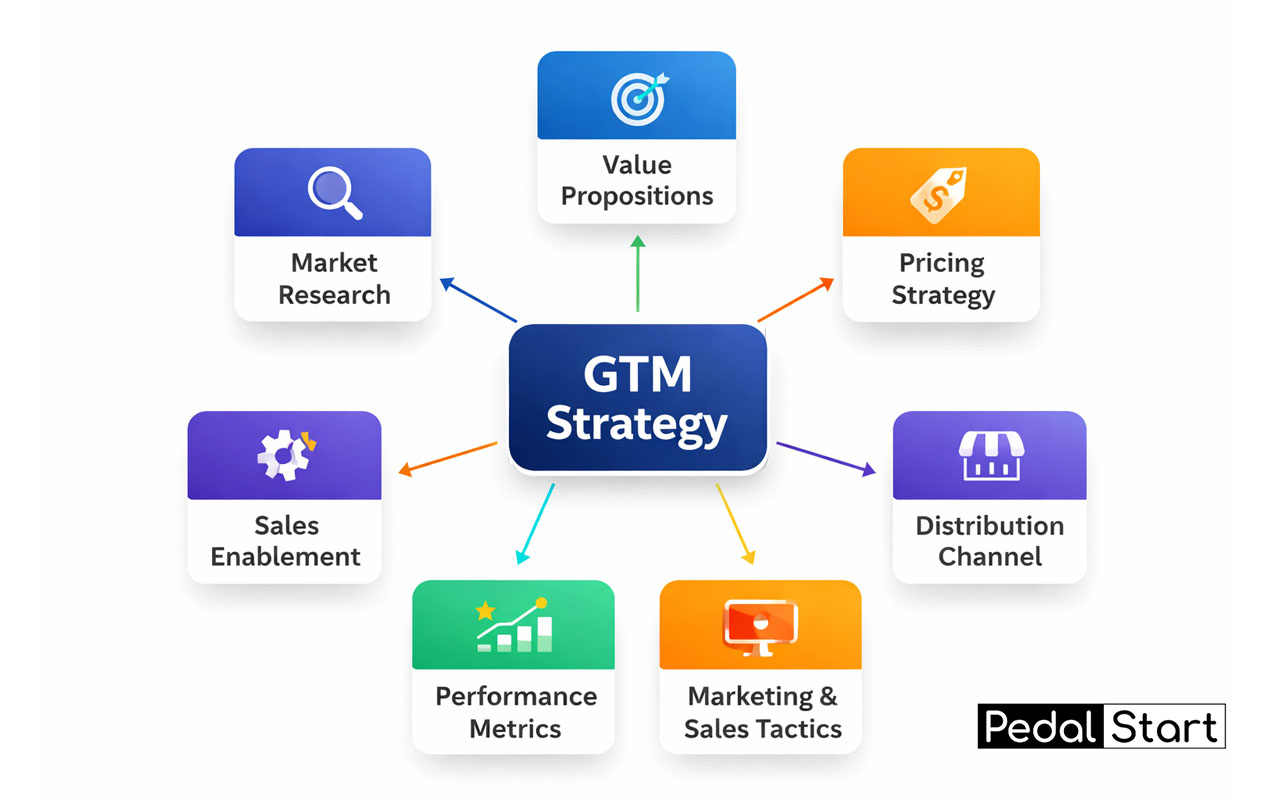
Before expanding outreach, founders must test whether pricing aligns with perceived value. Many early teams price conservatively to encourage adoption. This attracts price sensitive customers and weakens long term positioning.
In 2025, OpenView’s SaaS Benchmarks reported that early-stage SaaS companies that tested multiple pricing tiers with defined cohorts before broad launch improved average contract value by more than 20% within six months compared to single price launches.
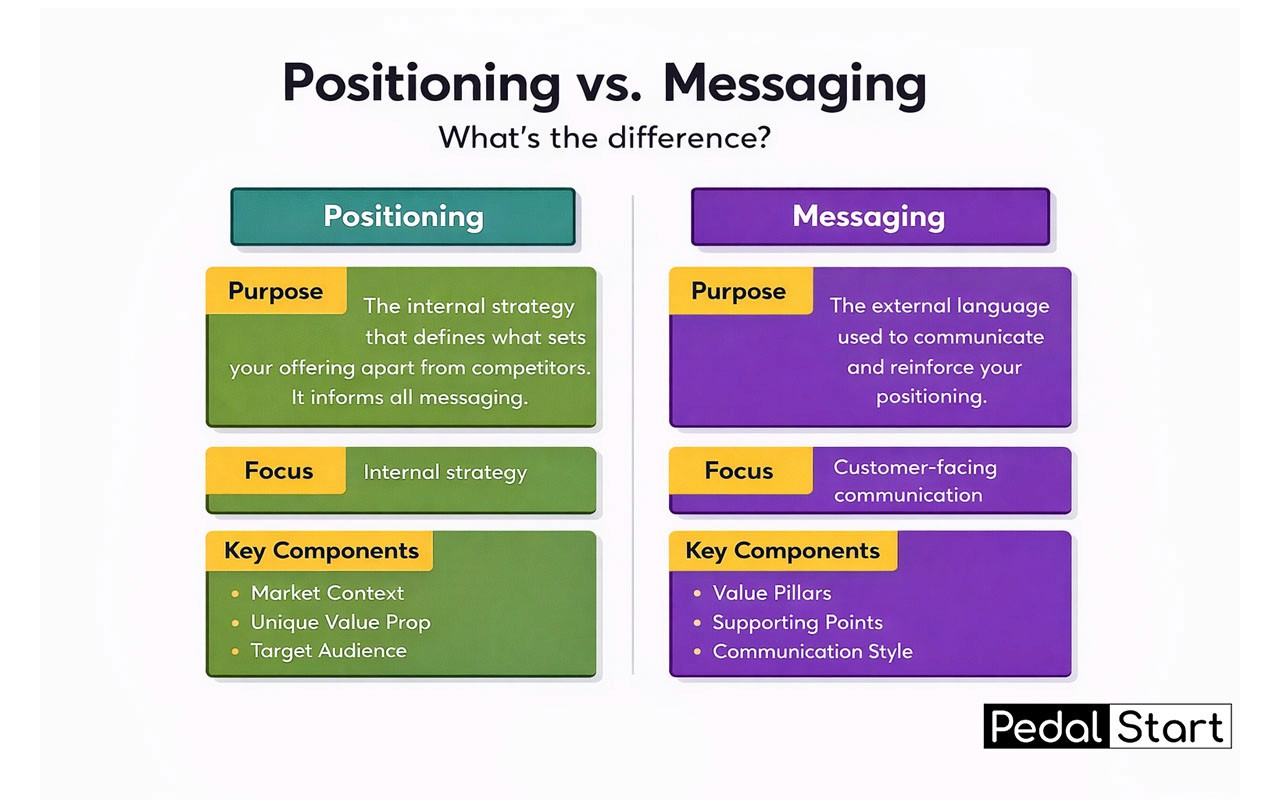
Positioning requires similar discipline. Messaging should be refined through controlled conversations with a defined ICP. If prospects struggle to articulate the problem the startup claims to solve, positioning requires adjustment before scale.
Startup launch strategy works best when pricing and messaging are treated as testable variables rather than fixed assumptions.
Building a repeatable sales motion in early stage
Founder led sales is natural in early stages. The question is whether that selling approach becomes transferable.
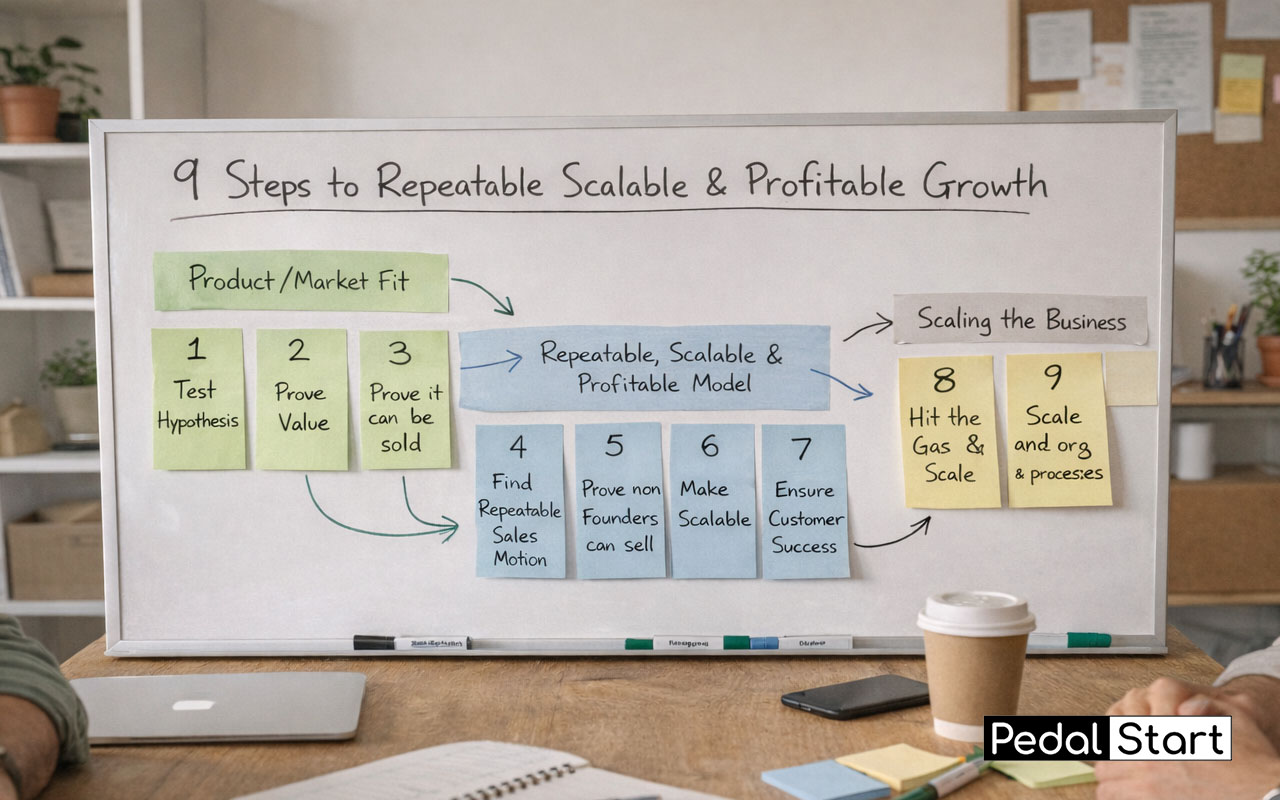
A repeatable early-stage sales strategy includes defined qualification criteria, consistent discovery questions, objection mapping, and documented close timelines. Without these elements, each deal becomes improvisational.
SaaS Capital’s 2026 Growth Benchmarks indicated that startups that formalised their sales process before hiring their first sales representative achieved more predictable quarterly revenue progression than those that relied solely on founder instinct.
Predictability attracts investor confidence. It signals that revenue is not accidental.
Operator led communities accelerate this transition. Founders share call frameworks, they review each other’s pitch decks, they discuss lost deals with specificity, collective learning builds process maturity faster than isolated experimentation.
Community led learning vs solo founder journey
The solo founder journey appears independent but in the building journey it lacks feedback loops.
Within a community of operators, pricing objections identified by one founder inform adjustments by others, messaging refinements are tested across multiple startups, patterns emerge faster because experiences are shared.
An operator led community offers startup GTM support through peer review, accountability, and informed critique. Founders gain access to professionals who have launched products, navigated early customer acquisition, and built sales teams from zero.
This reduces redundant mistakes, improves decision speed and grounds strategy in applied experience.
Speed in GTM is not about moving faster, it is about learning sooner and shared operating experience shortens that path.