
Does this improve my odds of building well in the first 12-18 months?
Is the value long term or limited to the program duration?
Could I build this network on my own?
Can I get help with pricing, sales, and early GTM decisions?
These are the questions most Indian founders ask when they begin exploring a startup accelerator or founder’s community. The hesitation is reasonable and completely understandable.
India’s startup base crossed 2,00,000 DPIIT recognised startups in early 2026, according to the Ministry of Commerce and Industry. Access to capital has widened, networks have expanded, and information is abundant. What founders still struggle with is informed decision support during the earliest and most fragile stage of building.
That is where the idea of a founder first startup ecosystem becomes relevant.
What is a founder-first startup ecosystem?
A founder first startup ecosystem places the operating needs of builders above program design or branding. It prioritises access to people who have hired teams, structured sales, navigated pricing shifts, and managed early capital pressure.
In many ecosystems, founders receive advice from investors, consultants, or mentors who operate at a distance from day to day building. A founder first model centres around operators who are either active founders or have built and scaled companies themselves.
NASSCOM’s Startup Outlook 2026 found that early-stage founders ranked peer operator access among the top three contributors to meaningful progress, ahead of generic mentorship sessions. The signal is practical. Founders want insight rooted in lived experience.
A founder first ecosystem does not replace accelerators or investors. It complements them by strengthening the quality of decisions made before major capital is deployed.
Is PedalStart the best startup accelerator India?
When founders search for the best startup accelerator India, they often compare funding amounts, alumni brand value, and demo day exposure. Those are valid criteria, but they do not capture the full picture.
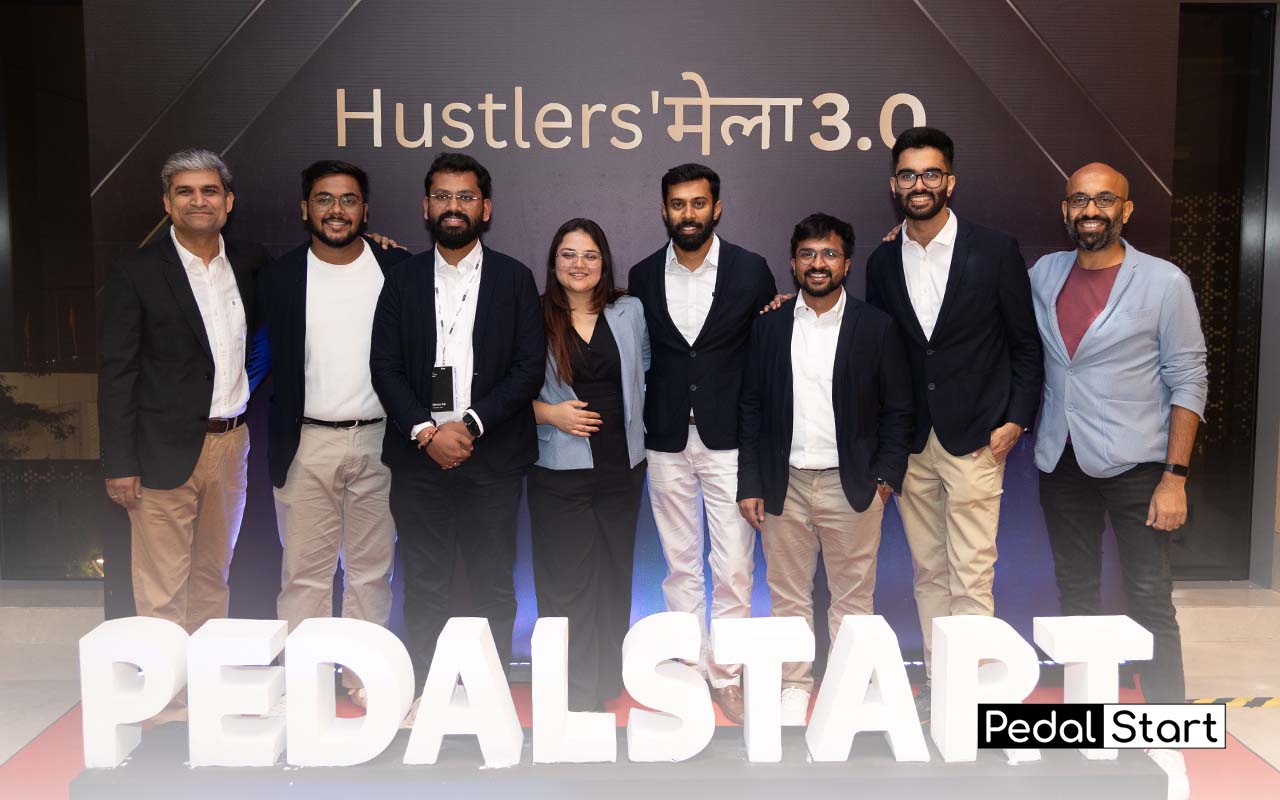
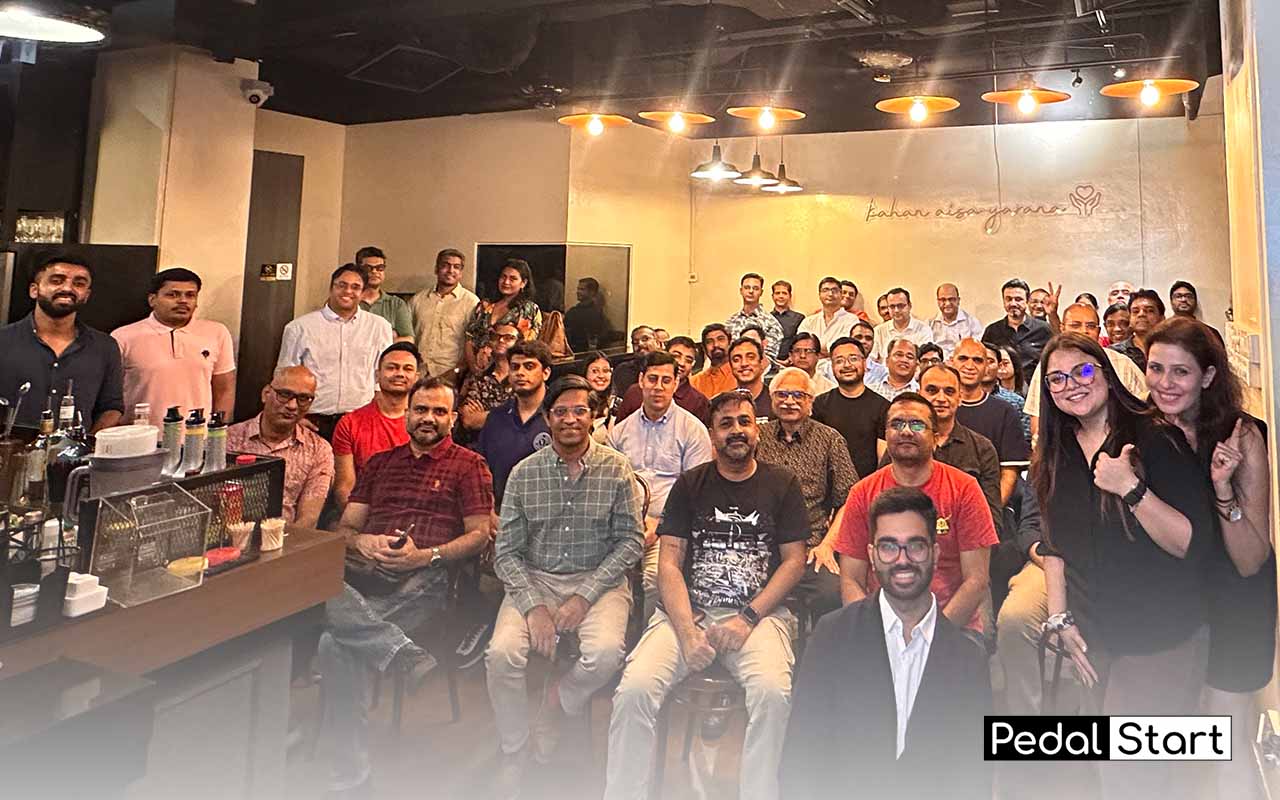
PedalStart does not position itself as a short-term cohort-based accelerator. Its structure revolves around an operator dense founder’s community that engages beyond fixed batches. The emphasis is on continuous access rather than compressed programming.
Whether it is the best fit depends on founder stage.
If a team is seeking pre-defined curriculum and investor visibility within a defined timeframe, a traditional accelerator model may align better.
But if a team is navigating pricing decisions, early-stage sales strategy, Industry expert access, and capital readiness over a longer arc, operator driven engagement can offer deeper support.
The value is contextual, not universal.
Who benefits from a startup accelerator?
Not every founder extracts equal value from an accelerator.
Startups benefit most when they have:
• A defined product direction but need sharper go to market discipline
• Early traction that requires refinement before scaling
• Plans to raise capital within a clear time window
• Gaps in network access to investors or experienced operators
Bain and Company’s India Venture Outlook noted that seed stage investors are increasingly attentive to customer concentration, retention, and acquisition efficiency rather than pure growth velocity. Founders entering fundraising conversations without disciplined metrics preparation face longer diligence cycles.
A founder first ecosystem becomes useful when it improves readiness across these dimensions.
For first time founders, the learning curve is steep. For repeat founders, structured peer engagement can surface blind spots that individual experience might miss.
How is PedalStart different from other accelerators?
The distinction lies in format and orientation.
Traditional accelerators typically operate through time bound cohorts, curriculum sessions, and investor showcase events. They are structured around milestones within a fixed period.
PedalStart’s orientation centres on operator access and long-term engagement. Founders interact with peers who have built and scaled products across sectors. Conversations extend beyond fundraising preparation into pricing validation, sales refinement, and operational design.
In 2025 and 2026, India’s startup ecosystem has matured into layered support models. Founders increasingly combine accelerators, operator communities, angel networks, and sector specific forums depending on need.
PedalStart sits within the operator led segment of this landscape.
It is not designed to be everything for everyone. It is structured for founders who value applied insight from people who have built before and are still building.
Final reflection
The answer depends on what a founder is optimising for. Brand association and demo day exposure are one path. Ongoing operator scrutiny with aligned capital and peer learning are another.
In a rapidly expanding startup ecosystem, the differentiator is not access to information. It is access to informed context.
Programs should be evaluated not by marketing claims but by how much they improve early decision quality. For founders who prioritise that dimension, an operator centred founder’s community may offer measurable leverage.