
Starting a company is exhilarating. Every idea feels like a revolution, and every day is a new battle. But the excitement often hides invisible traps that first-time founders stumble into repeatedly.
The difference between founders who survive the first year and those who stumble lies in awareness. Knowing where others have gone wrong and learning from their mistakes can save months of effort, hundreds andlakhs of rupees, and more importantly, emotional energy and motivation to build something of your own.
Building in a vacuum, not talking to users
One of the most frequent founder mistakes is building without conversation. A product can look perfect in your head but fail in the hands of users. Early feedback is not optional. It is your most direct form of reality check.
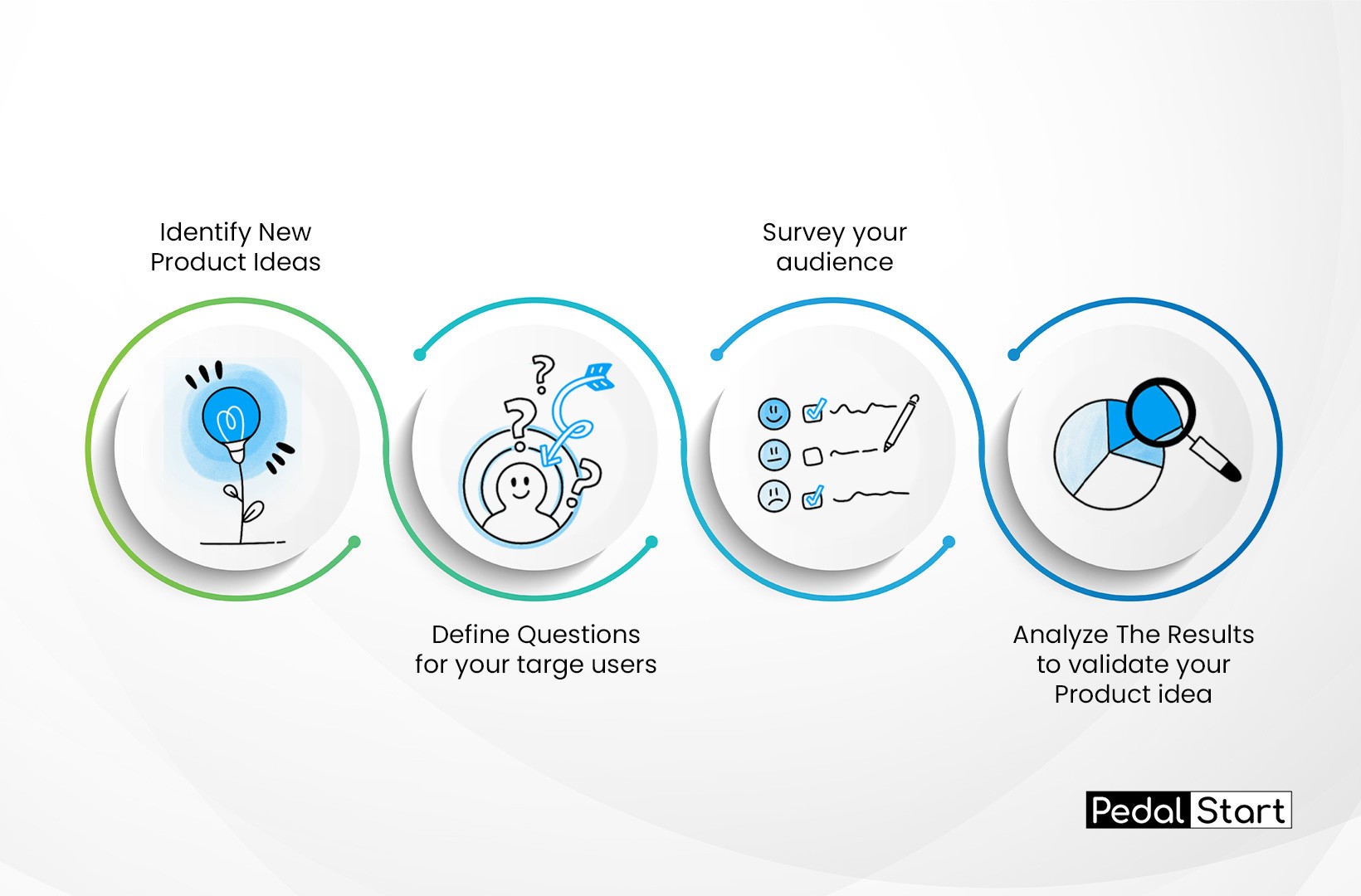
Before even designing the packaging of your product or deciding what will be your USP talk to at least ten potential customers. Ask them about their pain points, what frustrates them, and what they wish existed today, how you can solve a problem others couldn’t, what change are you bringing so that your customers will choose you over and over again. Do not sell your idea yet. Listen. Record. Validate.
Many founders believe they understand the market because they live in it. But assumptions are cheap, and biases are expensive. The startups that survive in the long run are the ones that continuously test ideas with real users. The ones that build in isolation often spend months on features probably no one really needs.
Practical tip: Create a short, structured conversation guide. Ask five core questions consistently across all user interactions. Track patterns rather than opinions. This will tell you what to build first and what to postpone.
Spending too much money too early
Money is a tempting shield for founders. A larger office, expensive tools, fancy branding, or premature hires can make the startup feel legitimate. But in the early days, cash is your lifeline, not your decoration.
Founder mistakes often include spending before product-market fit is tested. Early-stage startups must survive the first six to twelve months on minimal runway as overspending accelerates failure without improving odds of success.
For example, hiring a full sales team even before your product has paying customers may create pressure to sell prematurely. Investing in an advanced tech stack before understanding actual user needs may lock you into features you do not need.
Track cash weekly, not monthly. Every rupee spent should directly contribute to learning, testing, or generating revenue. If it doesn’t, defer the expense.
A recent survey by Startup India highlighted that nearly 43% of early-stage failures were linked to mismanaged spending at launch.

Ignoring feedback because of passion
Passion is vital. It drives founders through long nights, endless pivots, and months of uncertainty. But passion can also blind you to reality. Many first-time founders mistake enthusiasm for validation.
The mistake is simple: ignoring advice, feedback, or warning signs because you “believe in your vision.” Early-stage startup mistakes often occur because founders discount signals from the market, peers, or mentors who have already been there, done it.
For example, if beta users consistently skip a feature, you consider central, that is data, not critique. If investors or advisors question assumptions about pricing or scalability, it is a signal to reassess, not a personal attack.
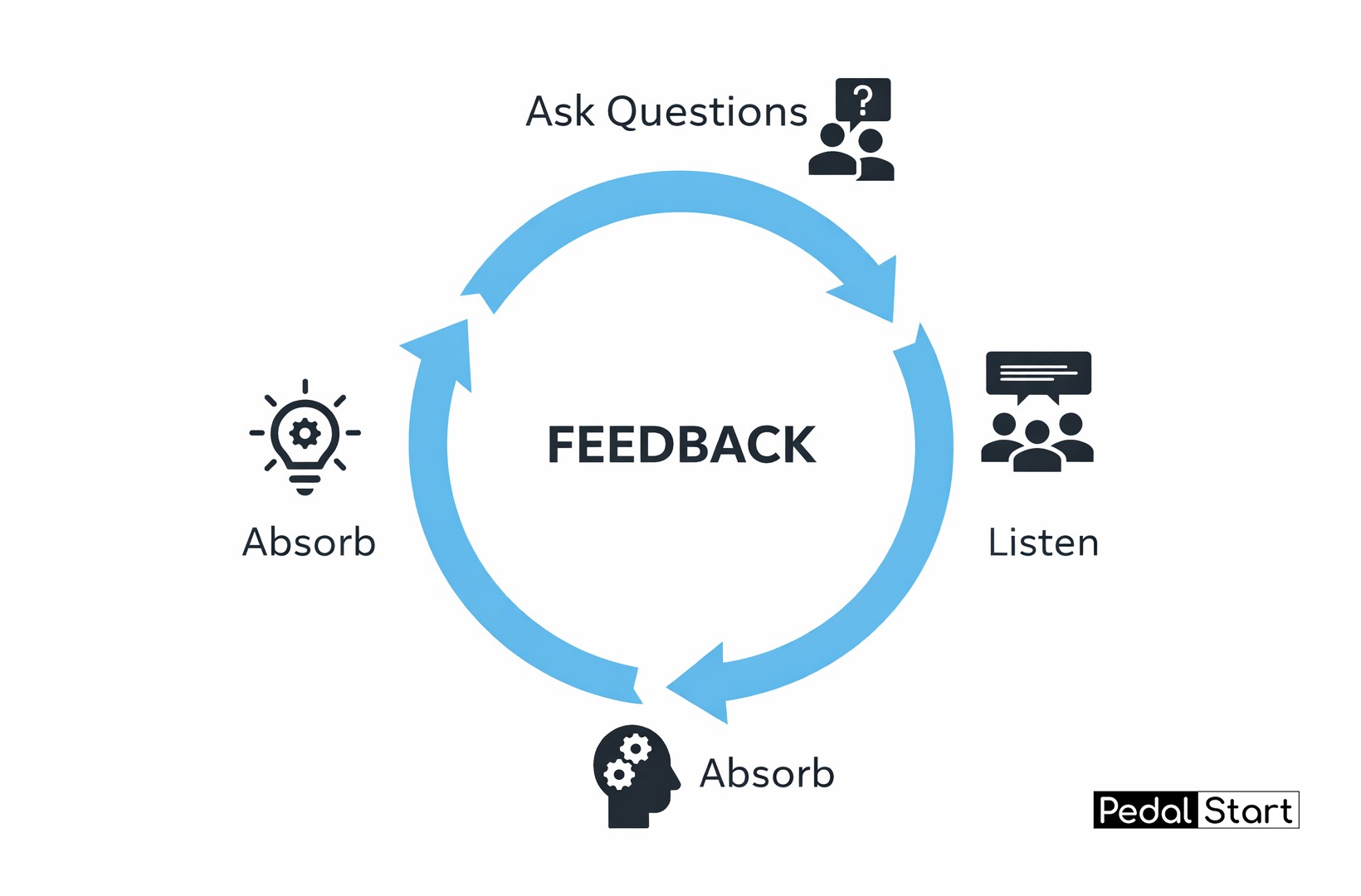
Set a feedback rhythm. Share progress weekly with at least two trusted advisors or peers. Log criticisms without reacting emotionally. Review patterns after a month and decide whether adjustments are needed.
This habit teaches humility and reduces wasted effort. Ideas succeed because they are tested, not because they are loved.
Waiting for the product to be perfect before launching
Perfection is a mirage in early-stage startups. Waiting for the product to be flawless often delays launch indefinitely. Founders fall into the trap of endless iteration, thinking that a polished product will automatically attract users.
The reality is that early adopters want a product that solves a problem, not a perfect design. Early-stage startups thrive on iteration. Feedback loops only exist once users interact with the product. Waiting for perfection removes that crucial learning opportunity.
Define a minimum viable product (MVP) that addresses the core problem clearly. Launch with just enough functionality to test assumptions and observe user behaviour. Use real interactions to guide the next phase of development.
Remember, most successful startups today launched with products far from perfect. The value came from learning fast, not designing perfectly.
Final thoughts
First-time founders make mistakes and that is completely fine and unavoidable. What separates those who succeed from those who struggle is the ability to recognize, learn from, and avoid common pitfalls. Building in isolation, overspending, ignoring feedback, and chasing perfection are not signs of ambition failing, they are signs of learning curves that can be shortened with awareness.
Early startup mistakes are not permanent failures. They are lessons if you face them head-on. Talk to users. Manage cash carefully. Listen to feedback. Launch a functional MVP. These steps build a foundation that can turn early confusion into measurable progress. Startup 101 is not about avoiding risk entirelyit is about taking informed action that maximizes learning while keeping the venture alive.