
India has over 1,000+ active accelerator and incubation programs across private, corporate, and government platforms, according to NASSCOM’s Startup Ecosystem Report. Access to guidance has never been higher. Yet survival rates at the earliest stages remain fragile.
The problem is not intent. It is applicability.
Advice designed for structured ecosystems does not always translate to markets where capital cycles, customer behaviour, and regulatory realities operate differently. For early-stage Indian founders, this mismatch may not always result in favour after these programs end.
This blog examines where the gap appears, why accelerator advice often fails early-stage Indian startups and what can actually improve outcomes.
One size fits all advice problem
Generic frameworks scale well for many accelerators. They are clean, repeatable, and easy to teach. Standard pitch structures, growth playbooks, and fundraising timelines create clarity inside cohorts.
The difficulty emerges when those frameworks are applied without context.
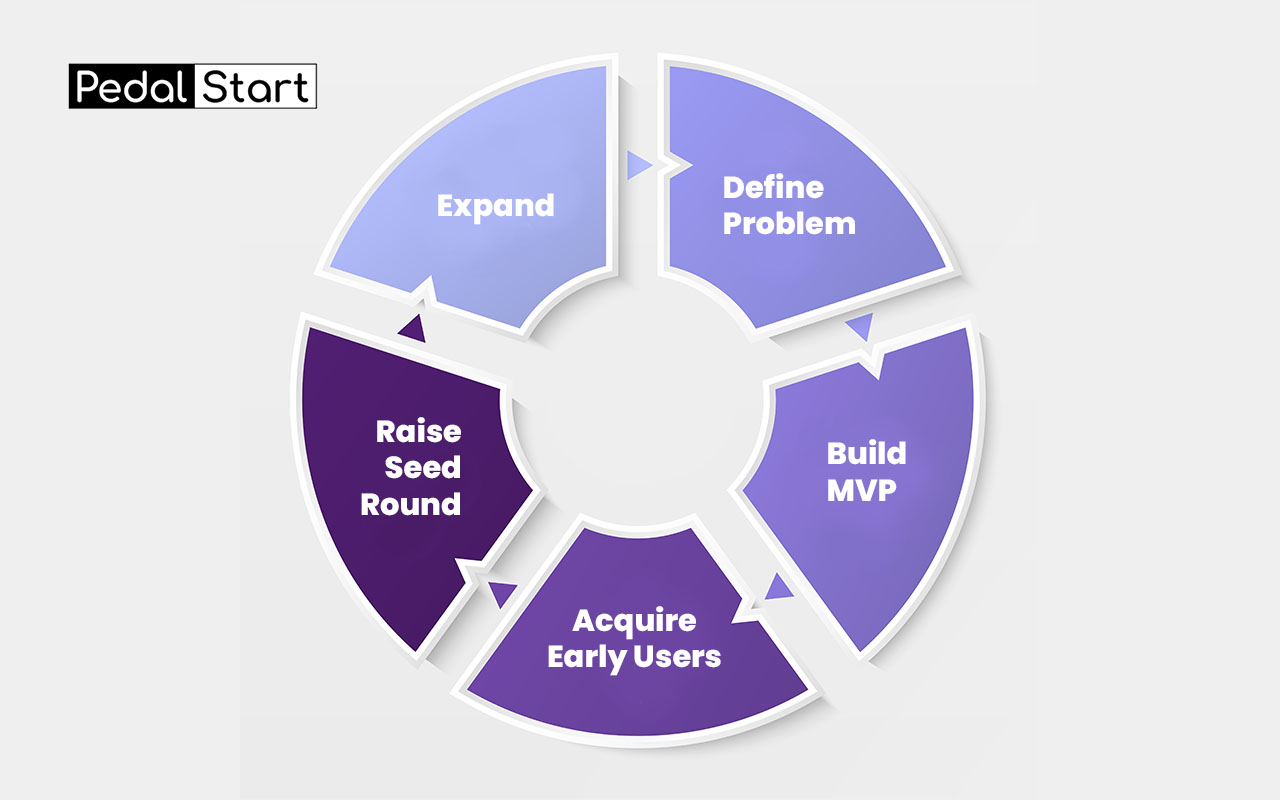
Many programs follow a similar structure. Define problem. Build MVP . Acquire early users. Raise seed round. Expand.
In practice, the order is rarely this linear in India. Regulatory approvals may delay launch. Enterprise pilots may stretch six to nine months. Consumer markets may demand deep trust before conversion.
When startup accelerator advice assumes speed without accounting for friction, founders either force artificial traction or feel behind schedule for reasons outside their control.
A 2023 BCG and IVCA report noted that nearly 70 percent of Indian startups take longer than expected to reach predictable revenue, primarily due to market education and distribution complexity. Frameworks that do not account for this reality create unnecessary pressure rather than clarity.
The issue here is not structure, but standardisation without localisation.
Indian market vs silicon-valley assumptions
Silicon Valley playbooks evolved in a high purchasing power, high trust, and high-risk capital environment. Customer acquisition channels are mature, angel density is high, follow on capital moves faster.
India operates differently.
According to Tracxn’s India Tech Annual Report 2024, early-stage funding in India declined by over 40 percent between 2022 and 2023 before stabilising in 2024. Capital cycles tightened, due diligence deepened, revenue visibility became more important than growth narratives.
When advice encourages aggressive scaling before revenue proof, founders absorb risk personally.
For early-stage Indian founders, capital efficiency is not optional. It is survival strategy, unit economics matter earlier, distribution partnerships matter earlier, founder credibility often replaces brand equity in early sales cycles.
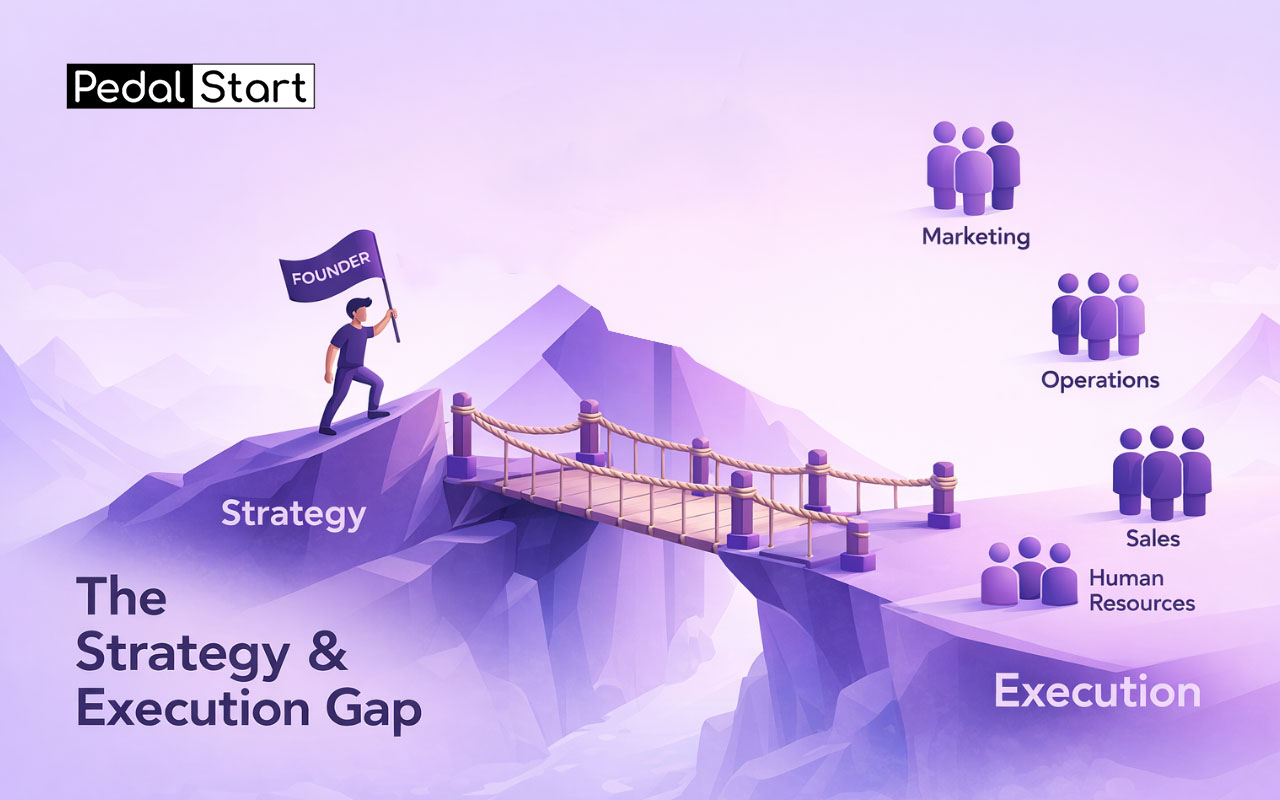
When accelerators replicate Silicon Valley pacing without adapting to Indian cost sensitivity and funding velocity, the friction becomes visible as startup execution gaps. The startup may have pitch polish but weak repeatable revenue.
Execution gaps after demo day
Demo Day may create visibility, but it does not guarantee durability.
Several ecosystem analyses have shown that while participation in such traditional programs might improve short term fundraising access, but long-term survival depends on post program execution discipline. A Global Accelerator Learning Initiative study found that structured mentorship improves short term investor access, but operational maturity determines three-year survival rates.
This is where traditional accelerator advice fails, not because the advice is incorrect, but because implementation support ends too early. Founders return to daily operational complexity, hiring decisions, pricing revisions, customer churn, vendor negotiations, and regulatory filings.
If mentorship was presentation heavy rather than execution embedded, founders face real world friction without structured decision support. The gap is rarely about ambition. It is about sustained guidance beyond exposure.

How operator led mentorship changes outcomes
Modern accelerators are no longer confined to fixed duration cohorts ending in a demo day.The stronger ones operate as year-round ecosystems where capital access, operator insight, and execution accountability intersect.
Within leading Indian startup accelerators, there is a visible shift toward embedded, operator driven engagement rather than surface level advisory sessions. Startups with Operator led mentorship benefit because the guidance comes from individuals who have managed burn, negotiated enterprise contracts, handled churn, and rebuilt products after failed launches. The conversations move beyond pitch decks into unit economics, distribution bottlenecks, hiring timing, and pricing discipline.
This model does not discard structure. It contextualises it. Frameworks still exist, but they are adapted to the founder’s stage, sector, and capital position.
McKinsey’s global startup resilience study found that startups receiving hands on operational mentorship were 1.8 times more likely to reach sustainable revenue milestones within two years compared to those receiving purely strategic guidance. The difference lies in execution depth.
Founder first ecosystems integrate warm investor access, sprint-based reviews, peer learning, and operator feedback loops into a continuous support system where the emphasis shifts from pitch polish workshops to decision quality.
This is where new age accelerator such as PedalStart position themselves differently. The focus is not visibility alone, but measurable progress, clearer economics, and investor readiness built on operational strength rather than presentation confidence.
In the Indian market, that distinction directly influences post program survival.