
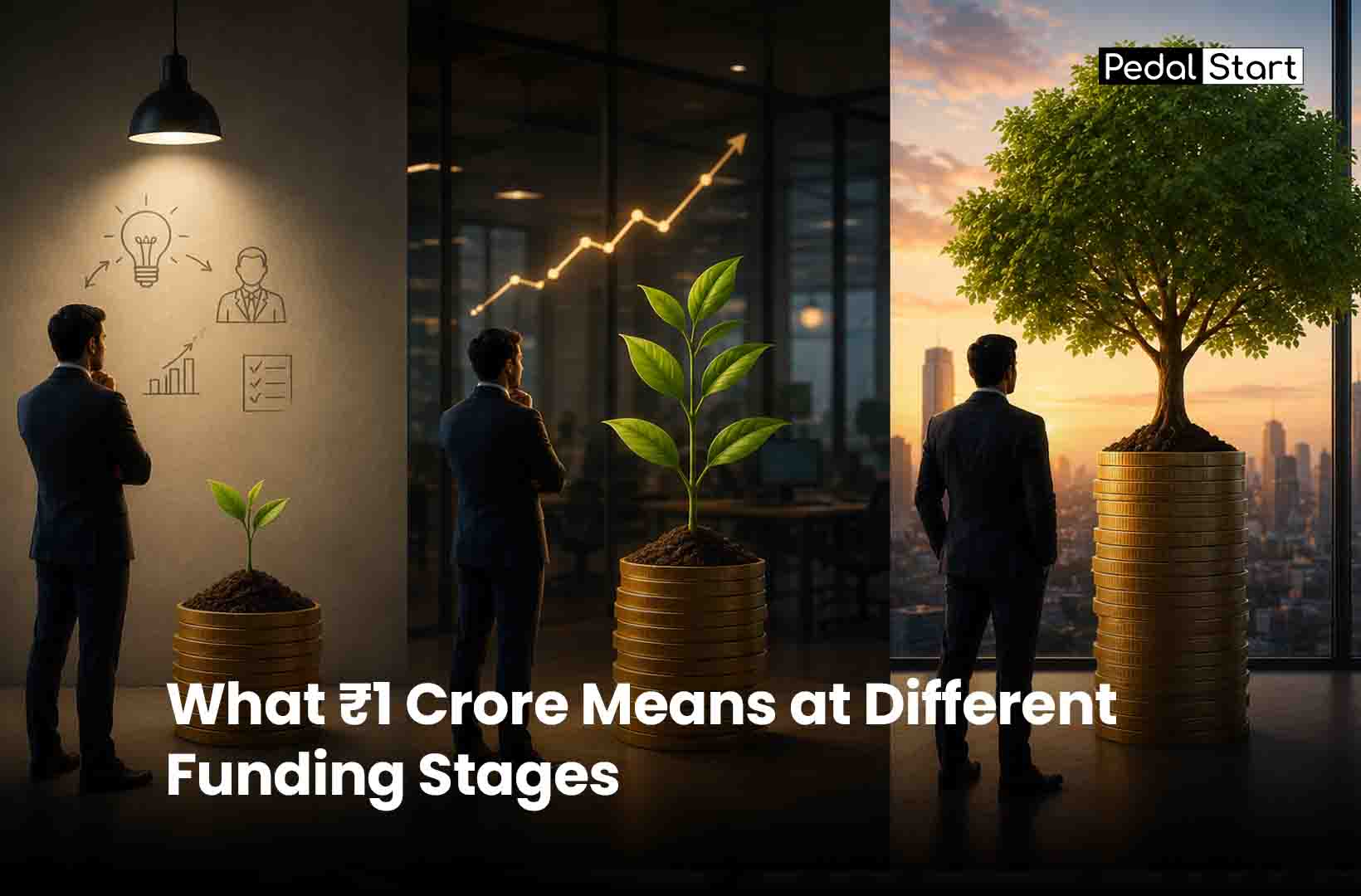
What ₹1 Crore Means at Different Funding Stages
₹1 crore can look very different depending on where your startup stands.
At the idea stage, this amount usually comes in as part of a pre-seed round process. Investors here are backing the founder more than the business. You may not have revenue yet, but you have a strong point of view on the problem and some early validation.
At the seed stage, ₹1 crore starts to feel like a smaller part of a larger round. Here, you are expected to show early traction. That could be users, revenue, or strong engagement. The money is meant to help you scale what is already working.
In a bridge round, ₹1 crore is often used to extend the runway. Founders raise it to buy time before a larger round, especially when they are close to hitting a key milestone.
Understanding where you are helps you approach startup funding India with the right expectations.
Step-by-Step Fundraising Roadmap
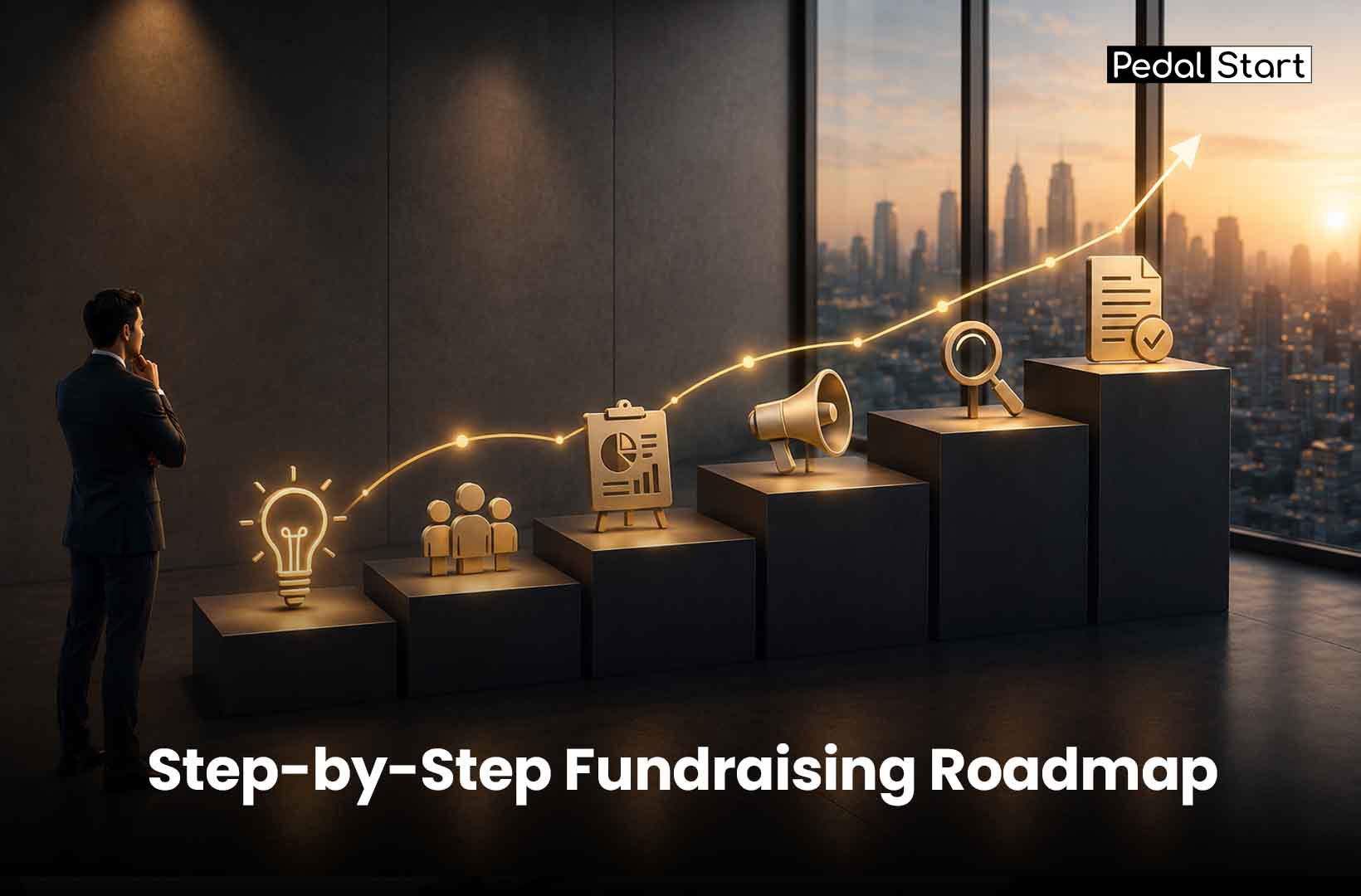
Raising your first round is not a single event. It is a sequence of steps that build on each other.
It starts with clarity. Before reaching out to anyone, you need to know what you are building, who it is for, and why it matters. This sounds basic, but most investors can tell within minutes if this thinking is still fuzzy.
Once that is in place, early validation becomes important. This could be a prototype, a waitlist, initial users, or even strong qualitative feedback. At this stage, you are showing that the problem exists beyond your own belief.
The next step in your startup fundraising roadmap is putting together your narrative. This is where your pitch deck comes in, along with a clear explanation of how you plan to use the capital.
Outreach follows. This is where most founders underestimate the effort involved. Conversations take time, and responses are rarely immediate. You will have to follow up, refine your pitch, and keep the momentum going.
As discussions progress, some investors will show deeper interest. This leads to due diligence, reference checks, and eventually a term sheet.
For a first-time fundraiser startup, the process can feel unpredictable. Having a structured approach makes it easier to navigate.
Investor Types in India
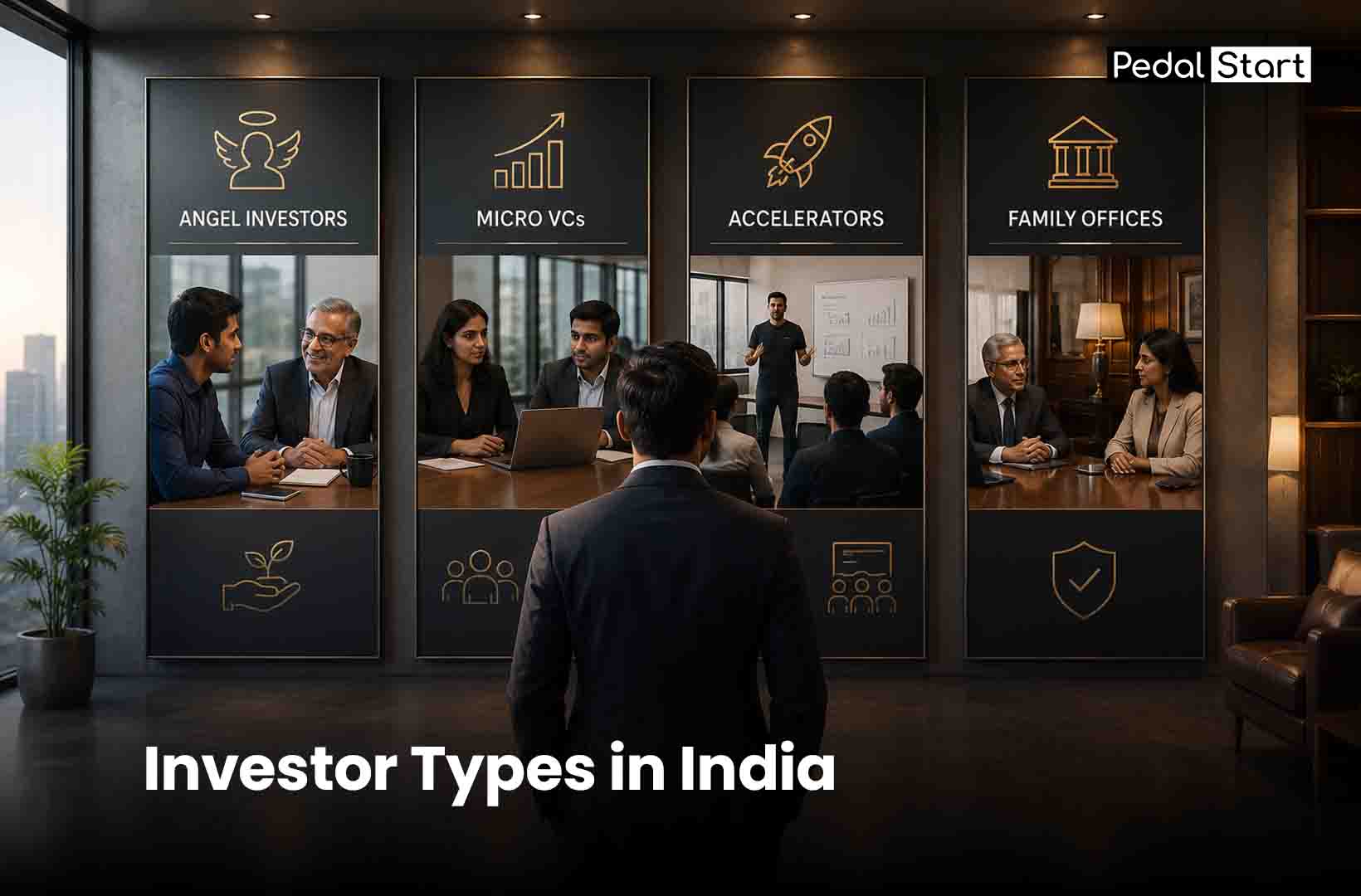
The startup capital India ecosystem has expanded significantly over the years. As a founder, you will likely interact with different types of investors during your journey.
Angel investors are usually the first people you speak to. They invest early, often based on belief in the founder and the problem.
Micro VCs operate with smaller funds but behave like institutional investors. They look for early traction and a clear direction.
Accelerators combine capital with structured programs. They help founders refine their product, pitch, and go-to-market approach.
Family offices invest with a longer-term view. Their decisions can vary widely depending on their investment philosophy.
Understanding who you are speaking to helps you tailor your conversations during startup funding discussions.
How to Build a Fundable Pitch Deck
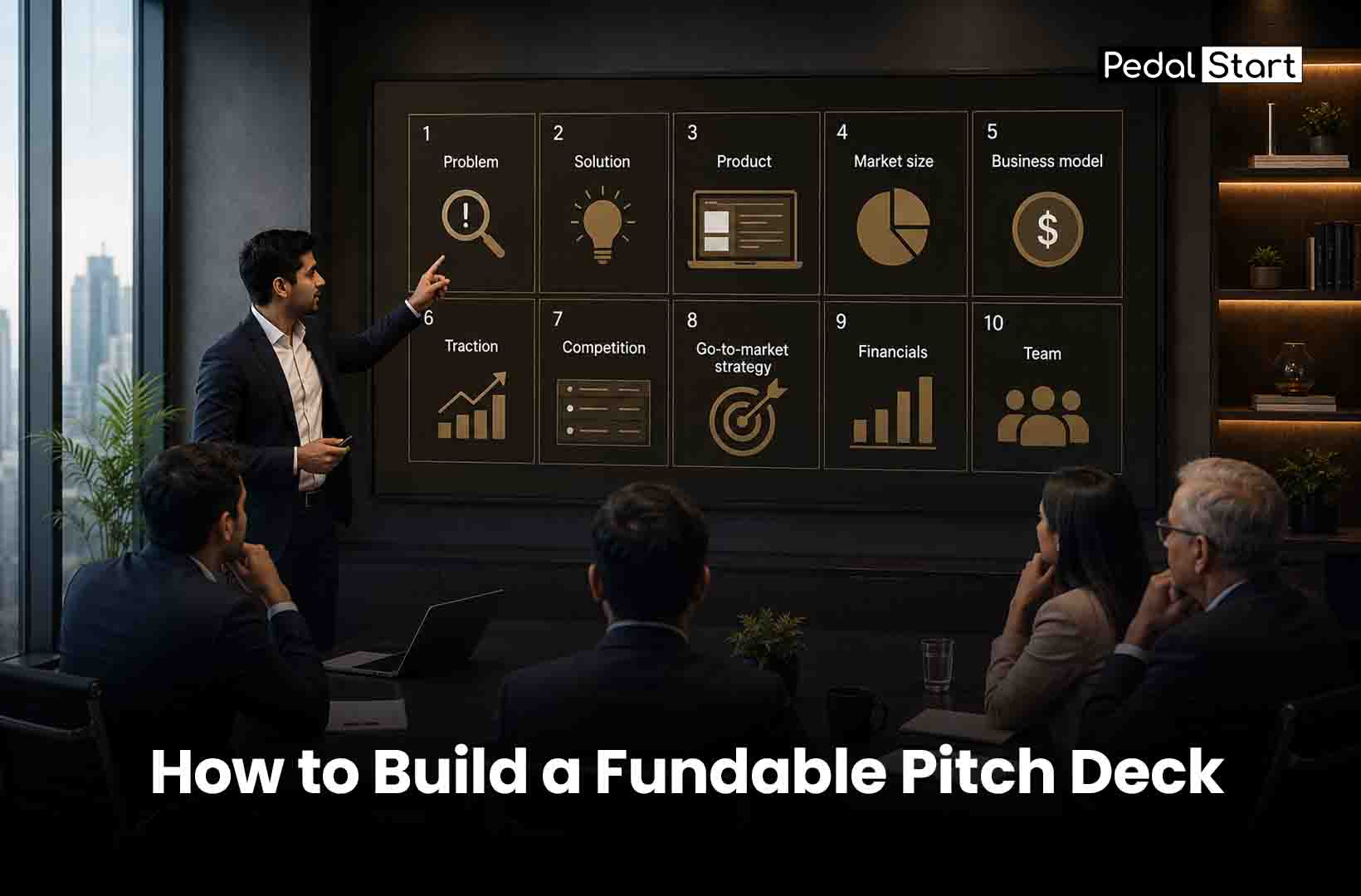
A strong pitch deck is not about design. It is about clarity.
A simple 10-slide structure works well:
Problem
Solution
Product
Market size
Business model
Traction
Competition
Go-to-market strategy
Financials
Team
Each slide should answer a specific question.
Investors should understand what you are building without needing additional explanation. Avoid overloading slides with text. Focus on making your thinking easy to follow.
This becomes especially important when you are going through seed funding steps in India, where investors review multiple decks in a short time.
Common Mistakes First-Time Fundraisers Make
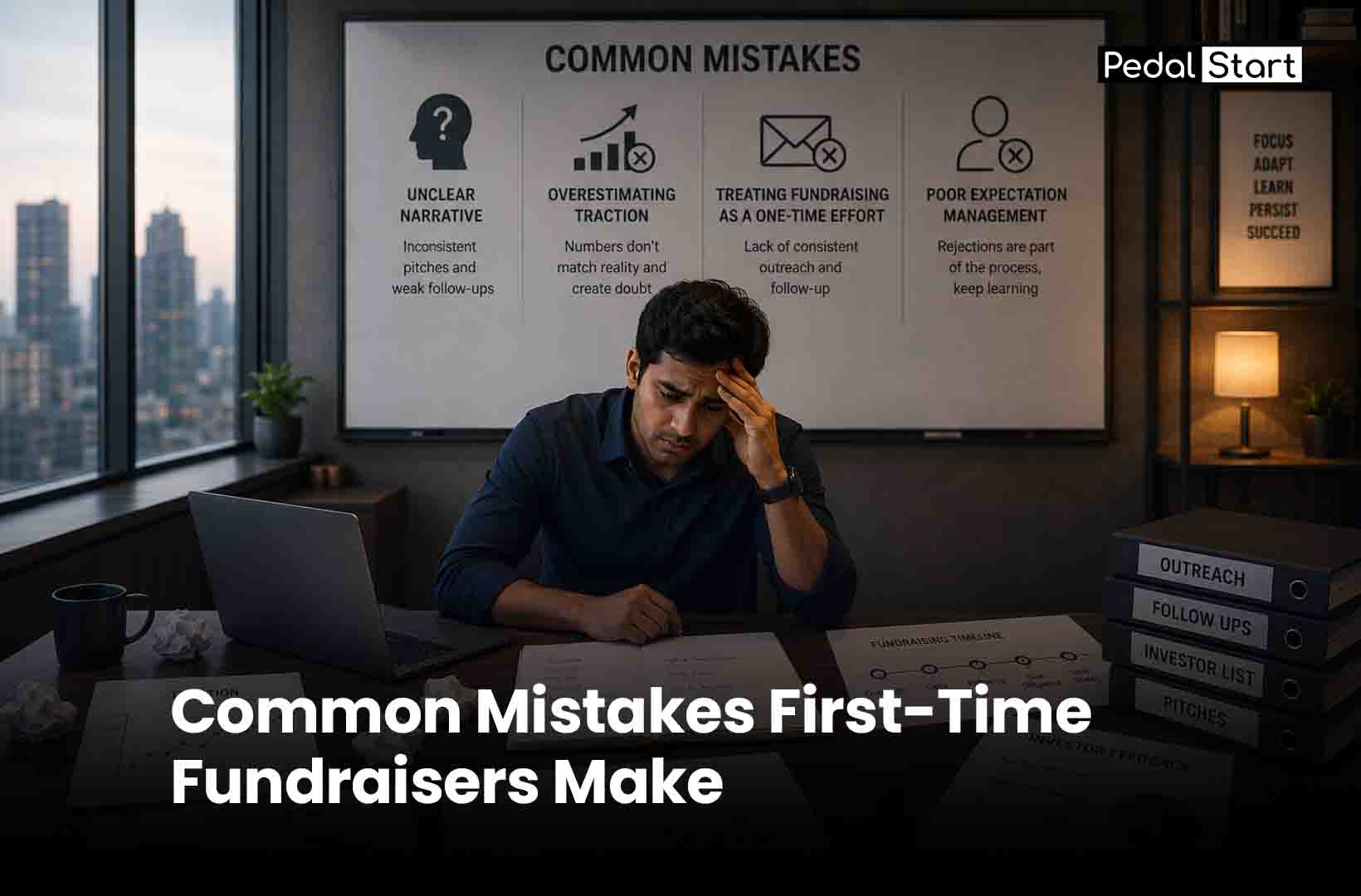
A lot of early mistakes come from rushing into conversations.
Founders often start reaching out before they are clear on their own narrative. This leads to inconsistent pitches and weak follow-ups.
Another common issue is overestimating traction. Investors look closely at numbers, and any mismatch between what is said and what exists creates doubt.
Some founders also treat fundraising as a one-time effort. In reality, it is an ongoing process that requires consistent outreach and updates.
For a first-time fundraiser startup, managing expectations is important. Rejections are part of the process, and learning from each conversation helps refine your approach.
Real Indian Startup Funding Examples
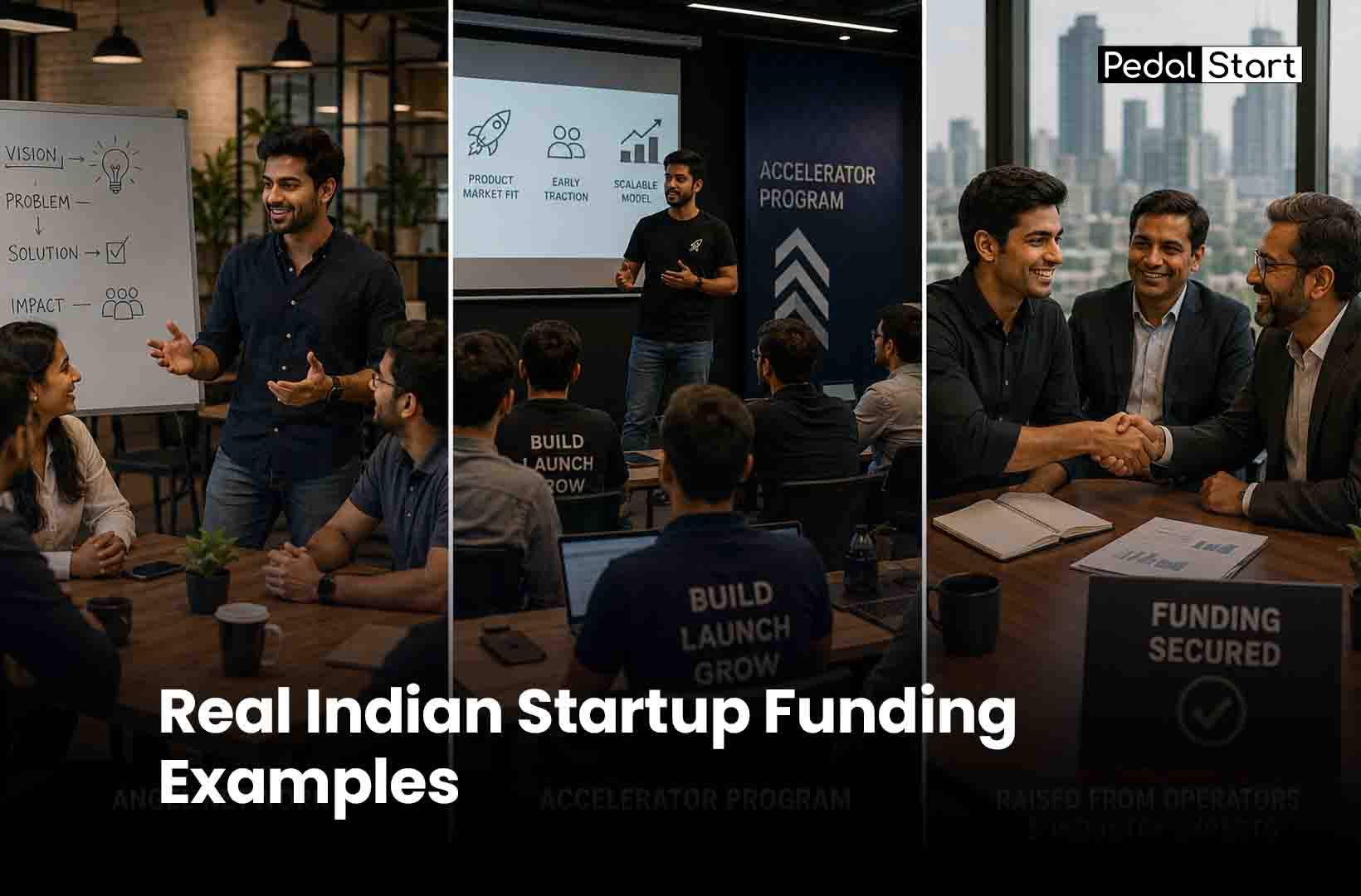
Many early-stage startups in India have raised their first ₹1 crore in different ways.
Some founders start with a small angel network, raised from multiple individuals who believe in their vision.
Others go through accelerator programs, where initial capital comes along with mentorship and structured support.
There are also cases where founders raise from operators and industry experts who understand the problem deeply.
These examples show that there is no single path in startup funding India. The approach depends on your network, stage, and the kind of business you are building.
Checklist Before Approaching Investors
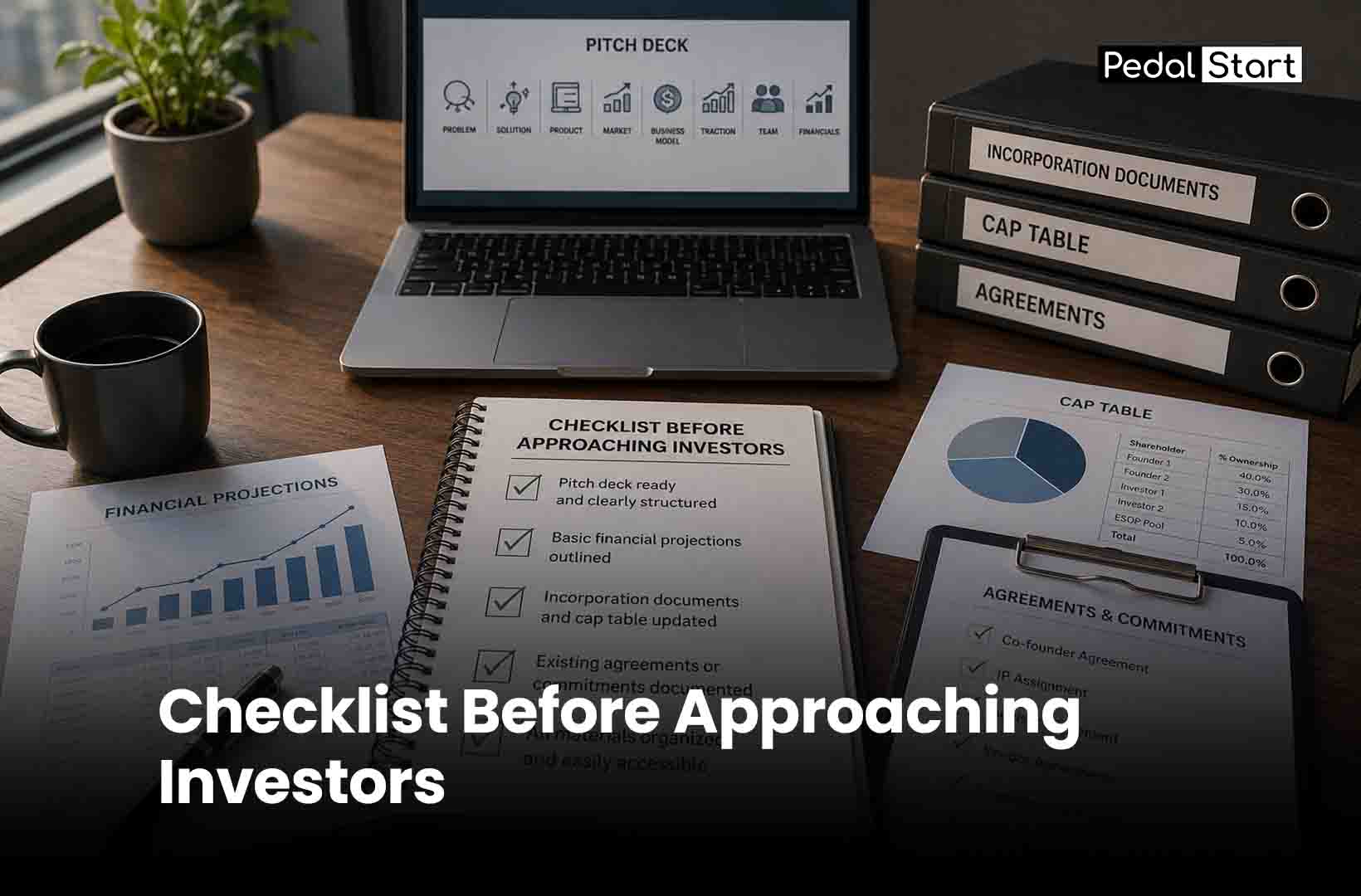
Before starting outreach, it helps to have a few things in place.
Your pitch deck should be ready and clearly structured.
Basic financial projections should be outlined.
Incorporation documents and cap table should be updated.
Any existing agreements or commitments should be documented.
Having these ready speeds up conversations once investors start showing interest.
Funding Timeline: What to Expect
The funding timeline at the early stage is rarely fixed.
From the first outreach to closing the round, it can take anywhere between six to twelve weeks. In some cases, it may extend further.
Initial conversations take time to build into serious discussions. Due diligence adds another layer, especially when multiple investors are involved.
For founders planning to raise first round funding India, this timeline matters. Starting early and maintaining steady outreach can make a big difference.
Raising your first ₹1 crore is less about hitting a number and more about setting the foundation for what comes next. The process shapes how you communicate, how you think about your business, and how you build relationships within the ecosystem.
Getting through it once changes how you approach everything that follows.