

Startup culture has a bad habit of worshipping the spark and ignoring the wiring.
Everybody loves the origin story. Two founders, one half-broken idea, maybe a borrowed desk, too much caffeine, a few chaotic product notes floating around in Notion like loose screws in a toolbox. Great. That part gets romanticized because it sounds alive. But raw energy is not the same thing as a company. A startup can have brains, momentum, even a little early traction, and still drift in circles because nobody has tightened the machine.
That’s where a startup accelerator starts to matter.
Not because it makes founders smarter overnight. Not because demo day turns everything into gold. Mostly because a good accelerator forces clarity at the exact moment a startup is most likely to run on noise. Founders come in with product excitement, market guesses, scattered ambition, and a to-do list that looks like someone dropped a box of screws on the floor. Then the accelerator steps in and says: fine, but what actually matters this week?
That question changes things.
I remember being in a coworking space once where three founders were arguing over pricing strategy like it was a border dispute. Good product, decent technical skill, real energy in the room, but no shared map. Just opinions hitting each other. The place smelled like burnt coffee and ambition, which is basically the official perfume of early-stage tech. That team didn’t need another brainstorm. They needed structure. Pressure. Outside eyes. The sort of compression that makes people stop circling and start deciding.
That’s why accelerator programs still matter, even in a startup world obsessed with speed, AI, capital, and endless advice from people with polished profile photos. A strong accelerator gives founders mentorship, investor exposure, sharper execution habits, and a framework for moving faster without just becoming more chaotic. That last part gets skipped too often.
And now the whole thing is getting more interesting because AI has crept into the picture too. Investors are using data models to screen startups faster. Venture firms are relying on signal analysis before meetings even happen. Founders building AI products are pulling more attention, more funding, and more scrutiny at the same time. So the modern startup accelerator is no longer just a place for mentorship and networking. It sits right in the middle of product development, investor readiness, and data-driven startup judgment.
Messy intersection. Useful one.
A startup accelerator does more than hand out credibility

A lot of founders think the big prize is the check.
That’s understandable. Money solves very real problems. It buys time, hires people, keeps the lights on, and prevents the founder from having to pretend instant noodles are a strategic lifestyle choice. But money is only one piece of why startup accelerator benefits actually matter.
The real advantage is compression.
A decent accelerator takes what might have been twelve months of wandering and squashes it into a much tighter stretch of time. Founders get forced into better questions. Who is the customer, really? What part of the product is sticky? What part looks good in a pitch but collapses in actual use? Is growth real or just noisy? Are you building something sharp, or are you decorating confusion?
That kind of pressure is useful because startups drift easily. A team can spend six months building the wrong feature with total sincerity. Accelerators shorten that mistake cycle. They make founders test, cut, revise, pitch, rethink, then do it again while the clock is staring them down.
It’s not glamorous. It works.
The tech industry grows faster when startups get guided properly
This is where the conversation usually gets too small. People talk about accelerators as if they only matter to the startup inside the program. That’s not really true.
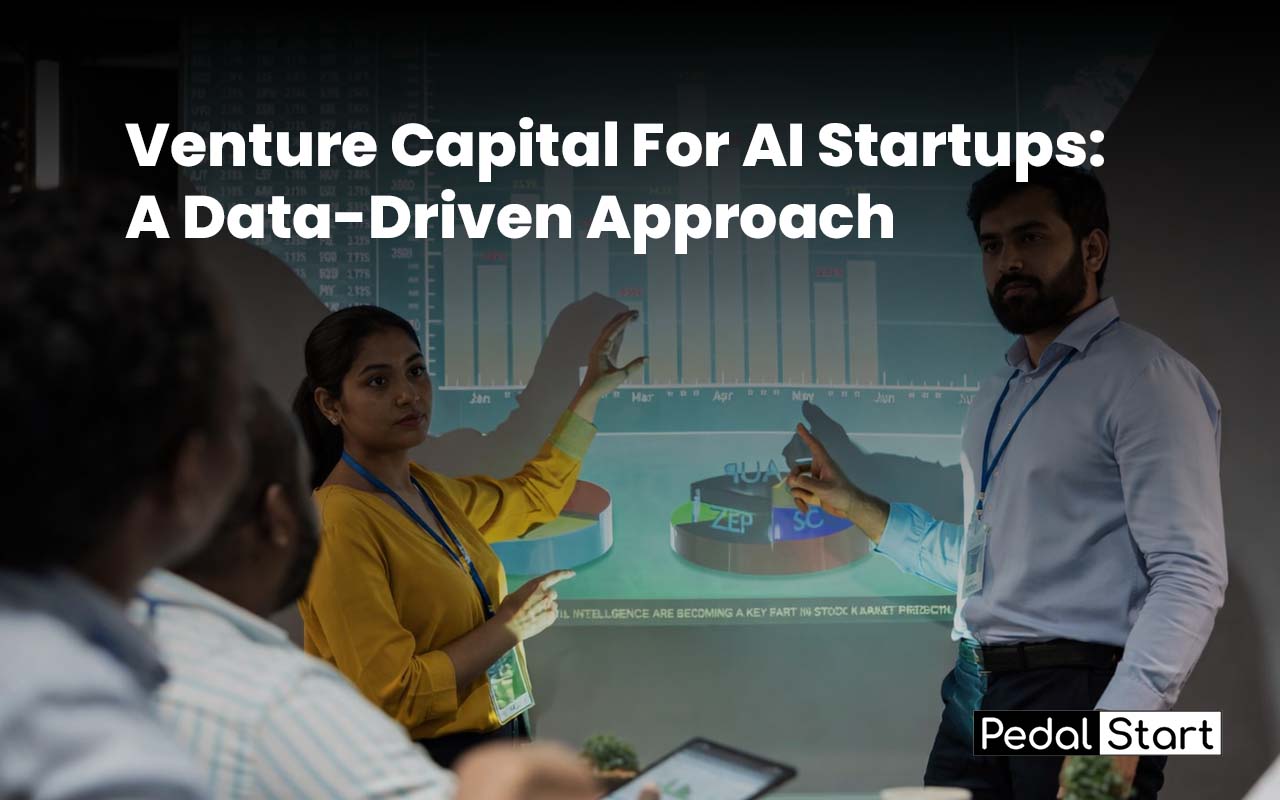
When better startups get built, the whole tech sector gets stronger. One good company can hire engineers, attract investors, create supplier relationships, pull talent into a city, inspire copycats, and force older companies to stop coasting. That ripple effect is a big deal. A startup is never just a startup once it survives long enough to matter.
That’s why startup ecosystem support matters so much. Accelerators help create that support structure. They connect founders to mentors, investors, operators, peers, and sometimes customers. They reduce isolation. They also reduce stupidity, which is a service more valuable than most people admit.
A founder working alone can get trapped inside their own logic. Inside an accelerator, that logic gets tested constantly. Sometimes politely. Sometimes not.
Good.
AI is changing how startups get noticed
Here’s where the gears shift.
Investors are not evaluating startups the same way they did ten years ago. Back then, the process leaned heavily on instinct, founder chemistry, and whatever traction data the startup could present without too much embarrassment. Now AI tools are helping investors scan markets, compare growth signals, track public traction, analyze hiring movement, and identify patterns long before a deal partner sits down for the first serious meeting.
That changes the funding environment for founders.
This is one reason AI for startups has become such a loaded phrase. People think it’s only about using AI inside the product. It’s not. AI is also changing the way startups are screened, ranked, and surfaced. A founder can walk into an investor meeting and realize half the company’s visible behavior has already been processed somewhere in the background.
A little unsettling. Also efficient.
The broader effect is that AI in startups is reshaping more than product development. It is quietly changing the startup evaluation process itself. That includes accelerators, because many programs now use analytics tools to review applications, track startup progress, and decide where to spend mentor attention.
Venture capital is getting more data-hungry
Venture capital has always liked a good story, but now it wants numbers standing behind the story with their arms crossed.
That’s where venture capital for AI startups gets especially interesting. Investors are pouring money into AI companies, yes, but they’re also using AI systems while making those investment decisions. A little circular. Still real. Models are being used to study traction patterns, funding momentum, sector growth, developer behavior, and customer signals across startup categories. That helps investors move faster and sometimes see more clearly.
Not perfectly clearly. Let’s not overstate it.
But compared to the older “I have a feeling about this founder” method, data-driven filtering gives firms a wider lens. They can compare dozens of startups quickly, flag companies with promising growth fingerprints, and keep an eye on accelerator cohorts in a more systematic way.
This also means accelerators are becoming stronger signal hubs. A startup inside a respected program is easier for investors to monitor, compare, and evaluate. Which gives the accelerator even more influence than the check size might suggest.
India’s AI startup scene is making accelerators more relevant, not less

This part is hard to miss now. AI startups in India are no longer some maybe-someday category people mention during panel discussions. They’re real companies solving real problems in fintech, healthcare, logistics, automation, and enterprise software. The technical talent is there. The market size is there. The investor attention is there too, or at least circling aggressively.
But technical strength is not the same thing as business readiness.
A lot of AI founders know the model, the stack, the architecture, the product mechanics. Good. Then comes pricing, positioning, enterprise sales, hiring, distribution, cross-border scale, compliance headaches, investor language, and suddenly the whole thing gets wobblier. That’s one reason a founder-led accelerator can be so valuable. Founders learn faster from people who have actually navigated those turns before.
And India’s ecosystem, especially in places like Bangalore, Hyderabad, and Pune, is now thick enough for accelerators to do real shaping work rather than just offering generic startup theater.
That’s a strong shift.
A founder-led accelerator brings a different kind of pressure

There’s a difference between being advised by operators and being advised by people who mostly orbit operators.
A founder-led accelerator tends to be more useful because the guidance usually comes from people who have already had their teeth kicked in by product mistakes, hiring mistakes, fundraising mistakes, and timing mistakes. That kind of advice lands differently. It has more texture. Less motivational wallpaper. More scar tissue.
Founders need that.
Because startup life is full of attractive nonsense. Fancy frameworks. Big claims. Random growth hacks dressed up like strategy. Someone who has actually built and broken things can cut through that faster. They know which decisions matter and which ones are just noise in a better shirt.
That’s a huge part of the real startup accelerator benefits conversation, and it gets hidden too often behind branding and demo-day glamour.
The future accelerator model will probably mix people and machines

This seems obvious now.
Accelerators are already moving toward a blend of human mentorship and data-driven tracking. Founders come in, mentors work on product and strategy, and behind the scenes, analytics tools track usage, retention, growth quality, and other indicators that help programs decide where each startup needs help most. That’s useful because generic advice is cheap and mostly forgettable. Specific advice actually moves things.
So yes, AI in startups is changing accelerator programs too. Not by replacing mentors, but by giving them sharper inputs. A startup struggling with retention may need product fixes, not branding advice. Another startup with strong usage but weak investor narrative may need help reframing its story for the market. Better data makes those distinctions easier to spot.
Will this make startup building easier? Not really. Startups will remain messy because people are messy and markets are worse.
But it should make the mess more readable.
Final thoughts
A startup accelerator matters because startups rarely fail from lack of ideas. They fail from bad timing, weak structure, fuzzy execution, poor feedback loops, and avoidable mistakes repeated for too long. Accelerators help reduce that waste.
Now add smarter investor systems, stronger startup ecosystem support, rising venture capital for AI startups, and the expansion of AI startups in India, and the accelerator becomes even more central. It is no longer just a launchpad. It is part workshop, part filter, part pressure chamber, part bridge between founders and a much faster-moving tech economy.
Still messy. Still worth it.