

I have seen a visible difference between startups that grow month to month and those that keep progressing over time and that does not happen because of product quality or market size but often because of how revenue is structured.
When revenue depends on one-time transactions, every month starts from zero again, whereas when it is designed to repeat, predictability begins to build. That predictability changes how founders plan, hire, and scale.
What is Recurring Revenue and Why It Matters
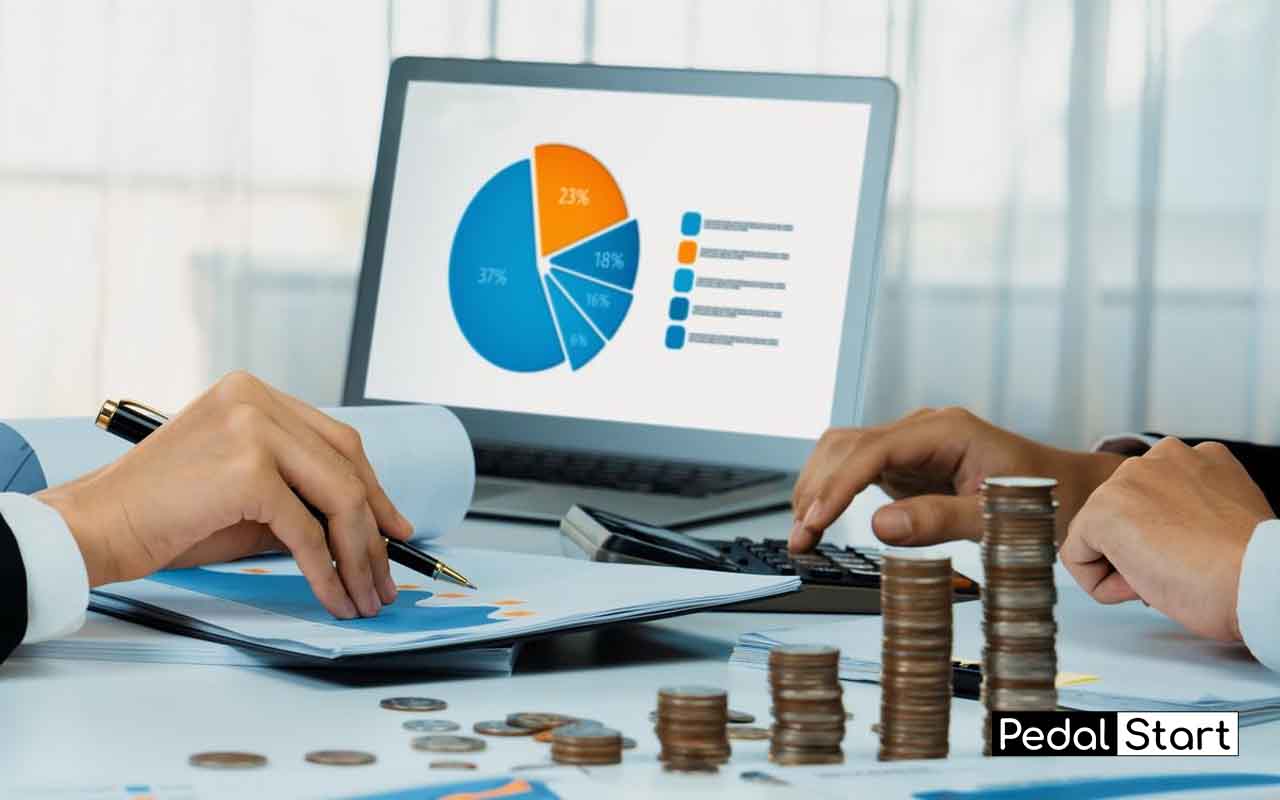
At its core, recurring revenue refers to income that continues to come in at regular intervals without requiring a fresh sale every time. This could be monthly subscriptions, annual plans, or usage-based billing tied to consistent consumption.
For early-stage startups, this model reduces volatility. Instead of chasing new revenue constantly, founders can build on what already exists.
Recent SaaS benchmarks from 2025 indicate that companies with strong recurring models tend to show higher revenue visibility and improved retention metrics compared to transaction-led businesses. Investors also view predictable revenue more favorably because it reflects both demand and customer commitment.
Understanding a recurring revenue model is not just about pricing. It is about designing a business where value delivery and revenue generation happen together over time.
Types of Recurring Revenue Models for Startups

Not every startup needs to follow the same structure. The choice depends on product type, customer behaviour, and market expectations.
The most common recurring revenue model structures include subscription-based plans, where users pay monthly or annually for continued access. This works well for SaaS, content platforms, and digital tools.
Usage-based models charge customers based on consumption. This is increasingly visible in AI and infrastructure products, where pricing aligns with actual usage rather than fixed plans.
There are also hybrid approaches that combine base subscriptions with variable usage layers. This allows startups to capture both stability and upside as customers grow.
Choosing the right structure is less about following trends and more about aligning pricing with how customers derive value.
How to Build a Recurring Revenue Model Step-by-Step
Learning how to build recurring revenue for a startup starts with understanding what part of your product creates ongoing value.
The first step is identifying repeatable use cases. If customers engage with your product regularly, there is a natural foundation for recurring billing.
The second step is defining the unit of value. This could be access, usage, outcomes, or a combination of these. The clearer this unit is, the easier it becomes to structure pricing.
The third step is designing the onboarding experience. Recurring models depend heavily on early retention. If users do not experience value quickly, they are unlikely to continue.
The fourth step is tracking behaviour. Monitoring how often users return, what features they use, and where they drop off helps refine both product and pricing.
This process forms the foundation of how to build recurring revenue for a startup in a way that sustains beyond initial adoption.
Annual Recurring Revenue Meaning and Calculation

For startups operating on subscriptions, one of the most important metrics is understanding annual recurring revenue meaning and how it reflects business health.
Annual recurring revenue represents the total predictable revenue a startup expects to generate from subscriptions over a year.
To understand how to calculate annual recurring revenue, the formula is - Multiply the monthly recurring revenue by twelve, or sum up all active annual contracts.
For example, if a startup generates ₹10 lakh in monthly recurring revenue, its annual recurring revenue would be ₹1.2 crore.
However, the real insight comes from how this number evolves. Growth in annual recurring revenue, combined with strong retention, signals that the business is not only acquiring customers but also keeping them.
Pricing Strategies for Sustainable Recurring Revenue
Pricing plays a central role in making recurring revenue work over the long term.
One effective approach is tiered pricing. Different plans cater to different customer segments, allowing startups to serve both entry-level users and larger clients without forcing a one-size-fits-all model.
Another approach is value-based pricing. Instead of pricing based on cost, the model reflects the value delivered to the customer. This often leads to better alignment between usage and willingness to pay.
Annual plans with incentives can also improve cash flow and retention. Many startups offer discounts for upfront commitments, which strengthens both revenue visibility and customer stickiness.
The key is to ensure that pricing evolves alongside the product. As value increases, pricing should reflect that progression.
Common Mistakes to Avoid in Recurring Revenue

While building a recurring revenue model, certain patterns tend to create friction early on.
One common issue is forcing subscriptions where they do not naturally fit. If the product does not deliver continuous value, customers will resist recurring payments.
Another challenge is underpricing. In an attempt to acquire users quickly, startups often set prices too low, making it difficult to sustain operations later.
Ignoring churn is another critical mistake. Acquiring new customers while losing existing ones weakens the entire model. Retention needs as much attention as acquisition.
Lastly, overcomplicating pricing can create confusion. Simple, transparent structures tend to perform better, especially in the early stages.
Conclusion
Building recurring revenue from the beginning changes how a startup grows. It creates visibility, improves planning, and strengthens investor confidence.
For founders, the focus should not just be on adding a subscription layer, but on aligning product value with consistent customer usage.
When done right, a recurring model does not just generate revenue. It builds a system where growth compounds over time, making the business more resilient with every cycle.